Key takeaways
- Rajadamnern tickets ($30): the world’s oldest Muay Thai stadium, fighting every night from 19:00, nightly card of 7–9 bouts. Six ticket zones from Section 11 (top) to Ringside (air-conditioned).
- Lumpinee tickets ($30): the other legend, Saturday sessions only, 40–60 min by taxi from downtown, quieter but authentic.
- Beginner class ($21): 1 h group session with hand wraps, gloves & shower included, no age or fitness limit, your own pace.
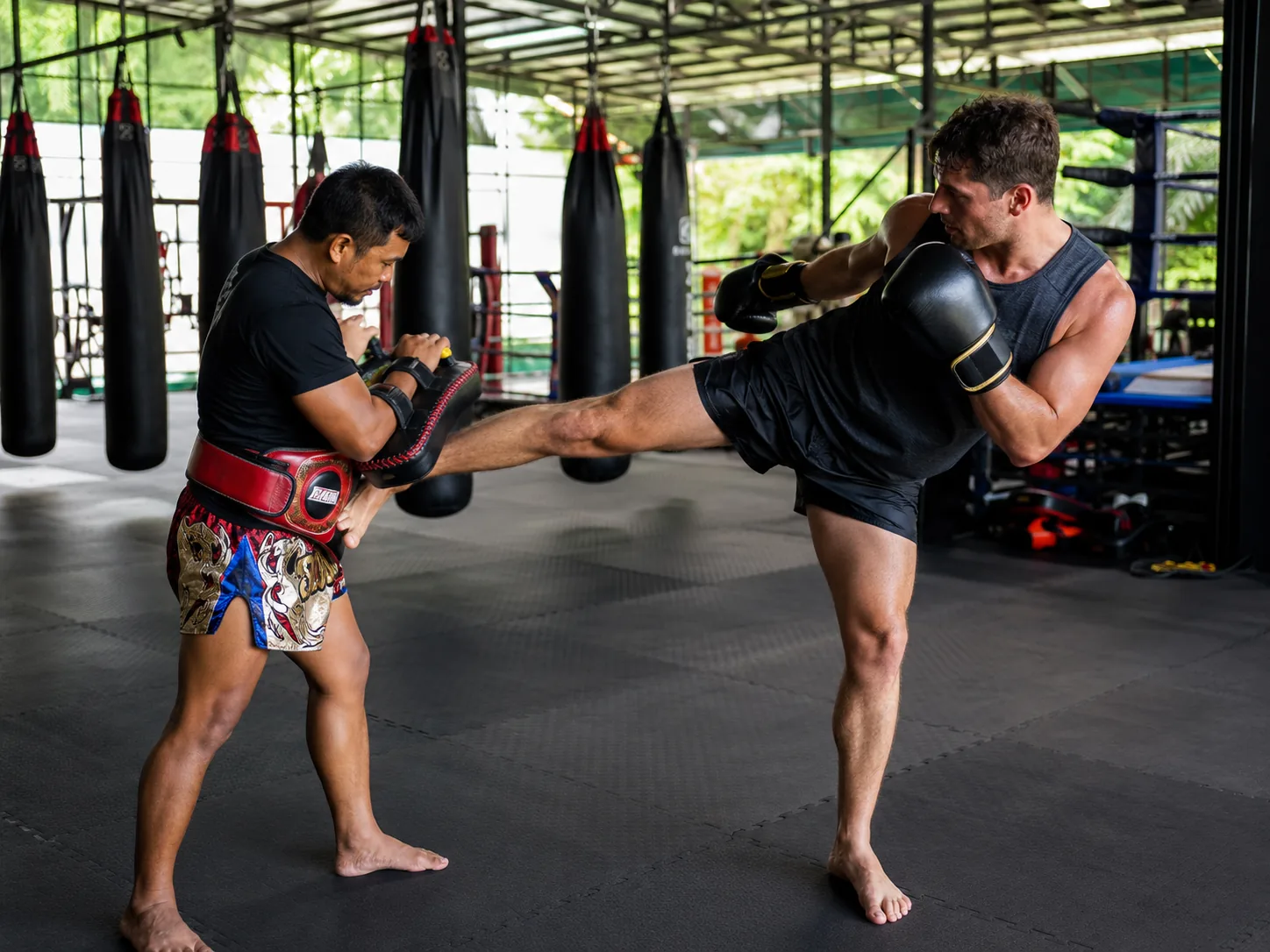
- Private 1-on-1 training ($54): 1 h with a Thai fighter at FITFAC, free Muay Thai shorts to keep, hotel pickup available.
- Gate prices ($1,000–2,500 baht): buying at the window costs 2–5x more than booking online. The GYG tickets skip the queue.
- Free fights: Channel 7 Stadium Sundays ~13:45, standing room only, no seat choice.
What Muay Thai in Bangkok is really like
What the stadiums are, what you’ll see, and what sets a real fight night apart from tourist traps — at a glance.
What you’ll experience
- Real stadium fights: 7–9 bouts per card, pro and rising fighters
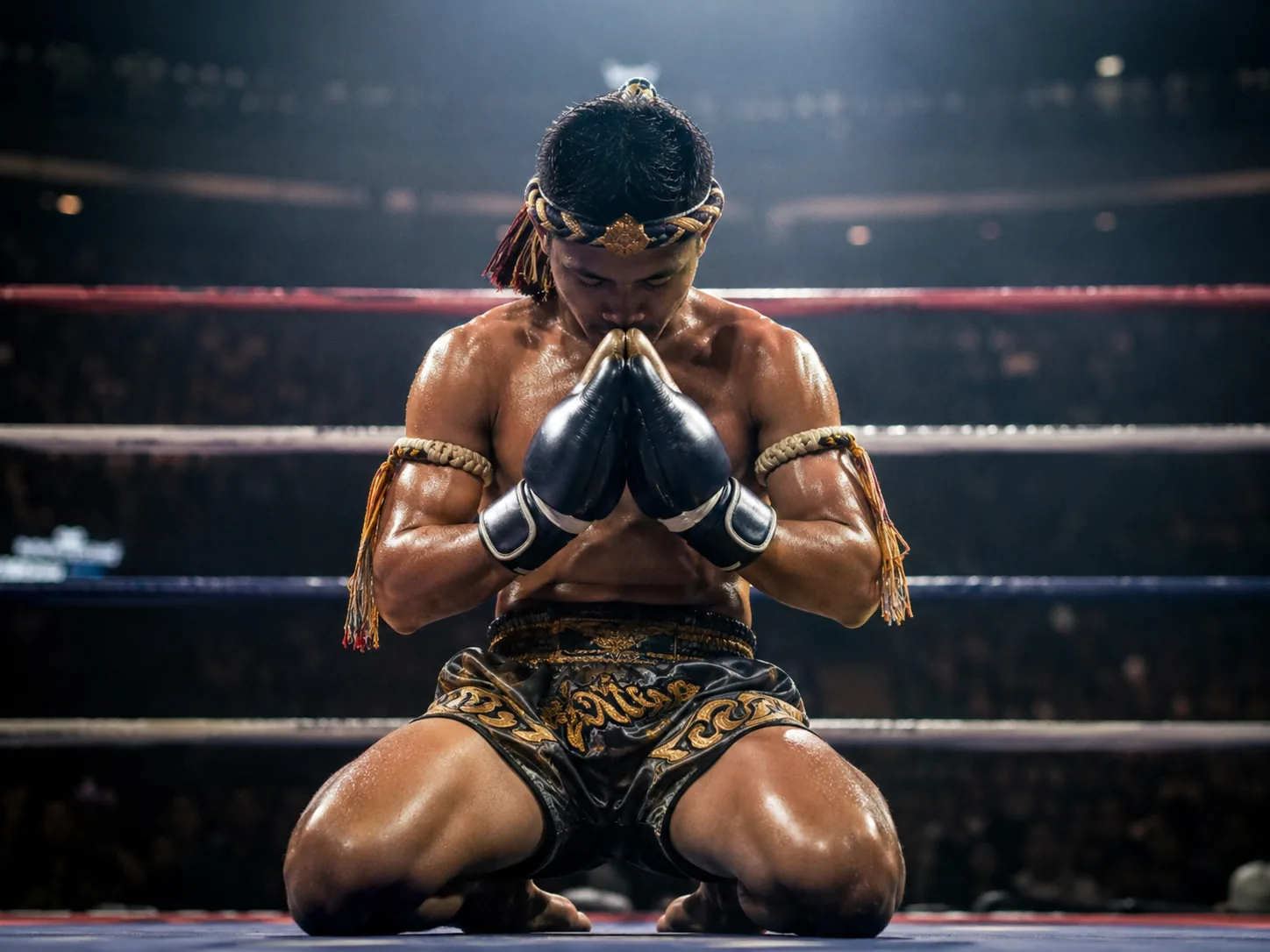
- The wai kru ram muay: fighters honouring their teachers before each bout
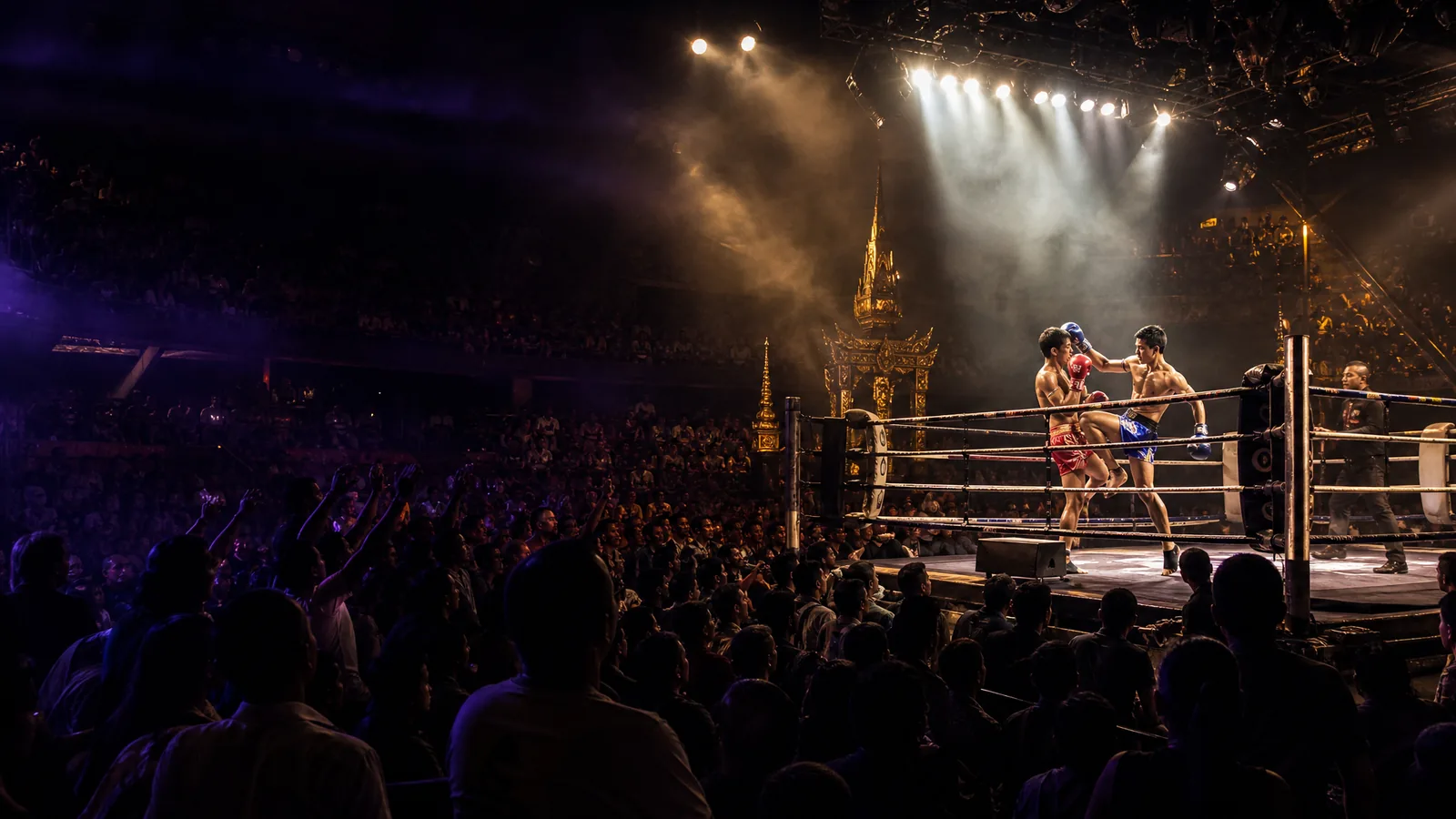
- Live piphat band: Java oboe, drums & cymbals speeding up with the action
- Hand-signal betting in the upper tiers — the real Bangkok fight crowd
What’s included in the ticket
- Stadium entry & assigned zone seating (no seat-swapping)
- QR check-in at the box office (no queue, instant wristband)
- Ringside tickets include air-conditioned seating at Rajadamnern
- Training: gloves, hand wraps, shower & towel included
Anatomy of a fight night at Rajadamnern
What happens hour by hour, from arrival to the main event — here’s the real itinerary.
Rajadamnern Stadium opens its doors every night of the week. Doors around 18:00; the card starts roughly 19:00 and runs until about 22:00, with 7–9 bouts. The venue is air-conditioned in the lower zones and opens to the air above. Come with your confirmation & passport.
- Arrive by 18:30 — Grab a taxi or Grab to Ratchadamnoen Nok Avenue in the old town (about 10 min from Khao San Road).
- QR at the box office — Show your voucher at the window, get a wristband. No queue on the GYG system.
- First bouts & the piphat — Take your seat. The band starts playing; fighters begin warming up in the ring.
- The wai kru ram muay — Before each bout the fighters perform this slow dance in their mongkhon headband & pra jiad armbands. Don’t talk through it.
- The action & the signals — Watch the ring. Above, in Section 11, you’ll see furious hand-signal betting — flicked fingers are live odds. Watch, don’t join.
- Main bouts ~21:00 — The card peaks; the biggest fighters take the ring. The noise & energy climb.
- Out by 22:00 — The venue empties. You have everything you came for.
The whole night is about three hours from doors to exit. Choose your zone based on your budget & what you want to see. If the fights light something up in you, book a training session the next morning — you’ll learn stance, jab & teep in your first hour.
How booking works
Pick your night
Rajadamnern fights every night; Lumpinee on Saturdays. Free fights at Channel 7 Sundays.
Check live availability
See real dates, times and ticket zones from GetYourGuide.
Book in seconds
One-click confirmation; free cancellation on most options.
Just show up
Your confirmation has the meeting point, time & your QR code. Bring it on your phone.
Book your fight night
Rajadamnern Stadium is the world’s oldest Muay Thai venue, fighting every night. Live availability, instant confirmation, free cancellation up to 24 hours before.
Compare: Rajadamnern vs Lumpinee vs Beginner Class
Three very different experiences. Here’s how they stack up.
| Most accessibleBangkok: Muay Thai Boxing Tickets at Rajadamnern Stadium | Bangkok: Lumpinee Boxing Stadium Muay Thai Match Entry Ticket | Bangkok: Muay Thai Boxing Introduction Class for Beginners | |
|---|---|---|---|
| Price | $30 | $30 | $21 |
| Timing | Every night | Saturday only | Flexible weekday mornings |
| Duration | 3 hrs | 2–3 hrs | 1 hr |
| Location | Old town (10 min from Khao San) | Ram Intra (40–60 min out) | Mo Chit area (BTS/MRT) |
| Best for | First-timers, full night | Purists, quieter vibe | Learning to fight |
| What’s included | Stadium entry, wristband | Stadium seat, voucher | Wraps, gloves, shower |
| Group size | Hundreds | Mixed | 15 people, 2 coaches |
| Rating | 4.9★ | 4.4★ | 4.8★ |
| Book this → | View → | View → |
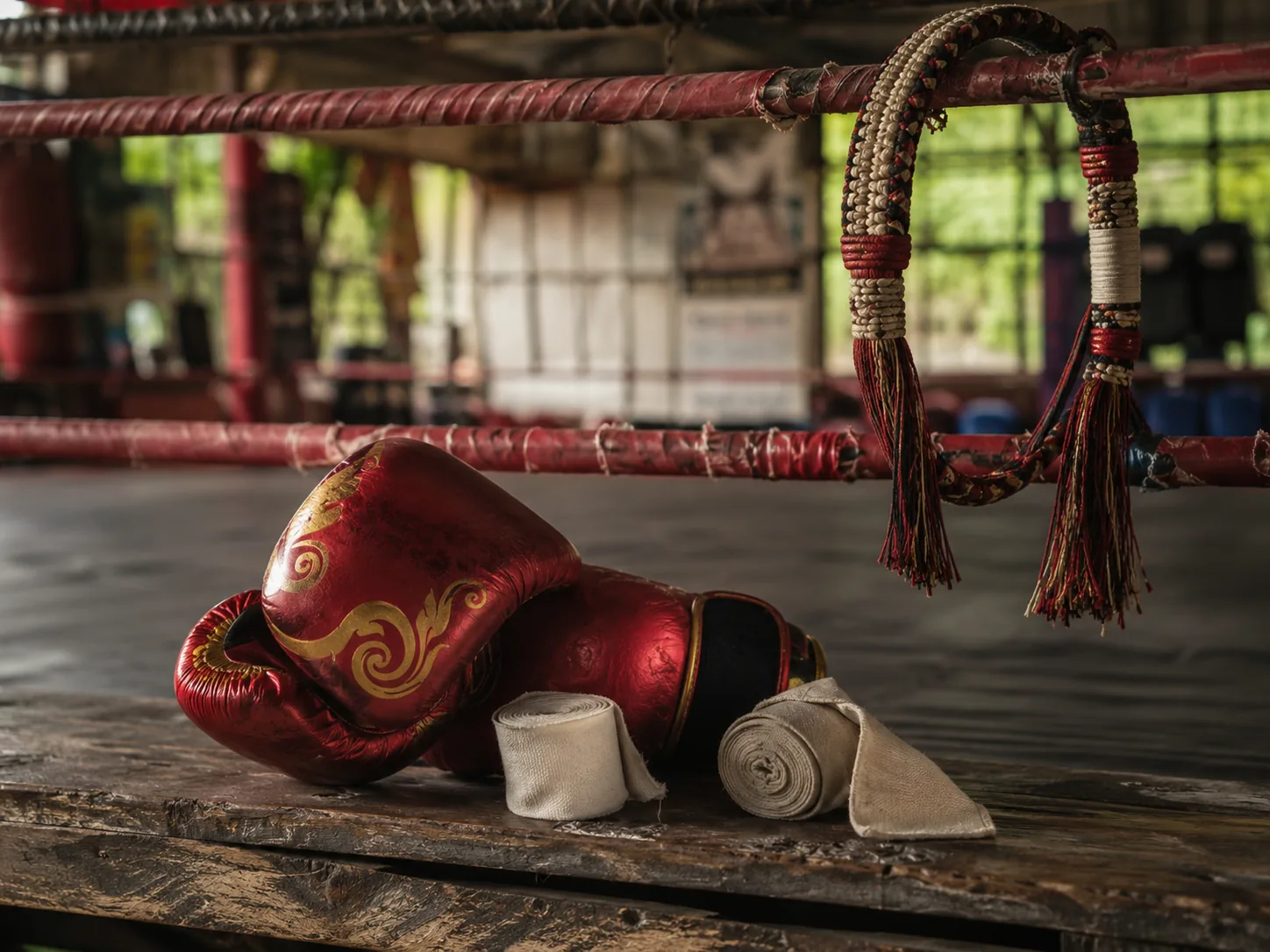
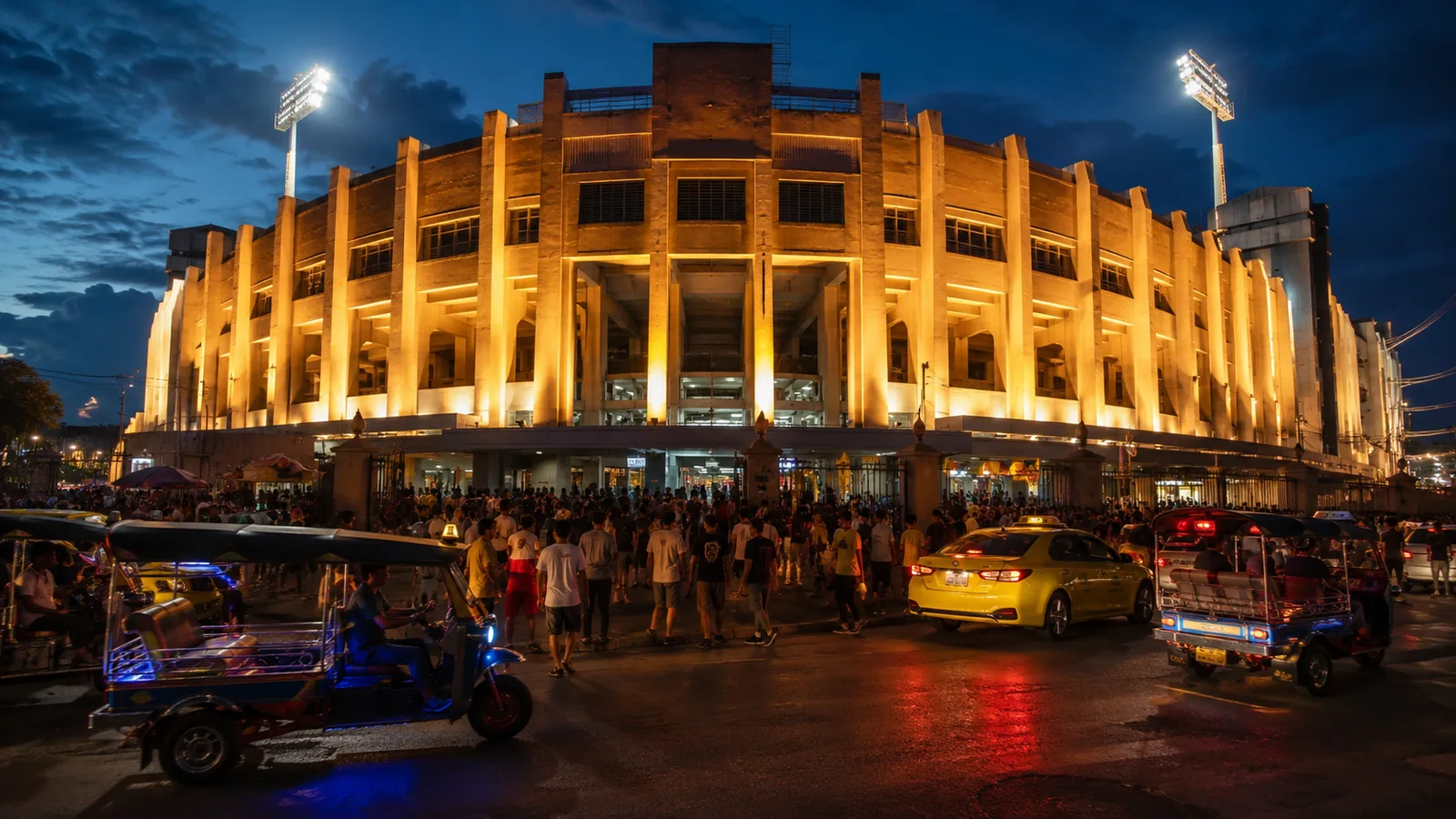
Photo Gallery
Muay Thai in Bangkok — through the lens
The stadiums, the rituals, the training and what visitors experience.
All tickets & training classes
Four distinct ways to experience Muay Thai in Bangkok, from fight nights to your first training session.
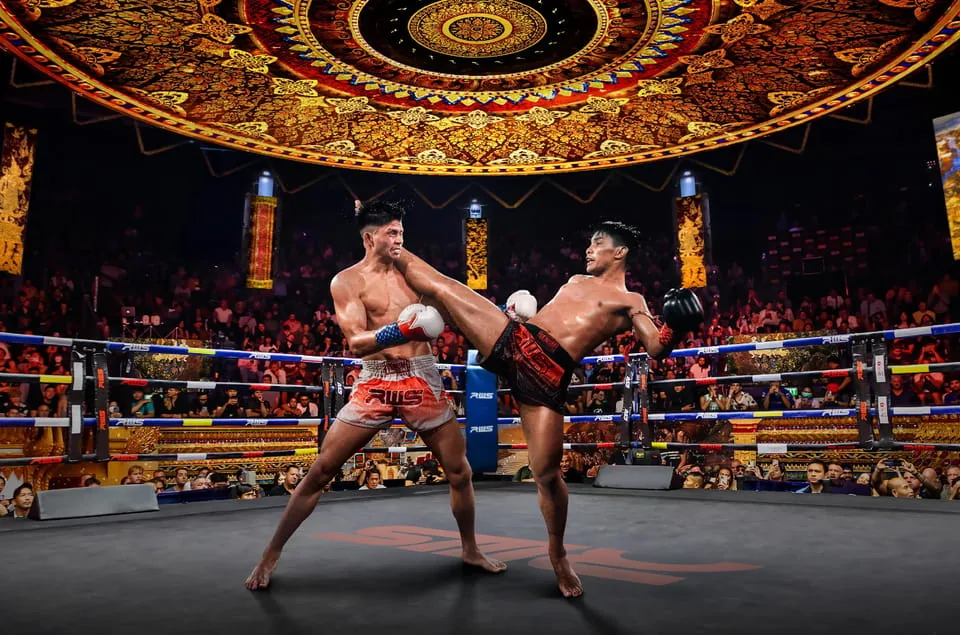 Best seller
Bangkok: Muay Thai Boxing Tickets at Rajadamnern Stadium
 Saturday fights
Bangkok: Lumpinee Boxing Stadium Muay Thai Match Entry Ticket
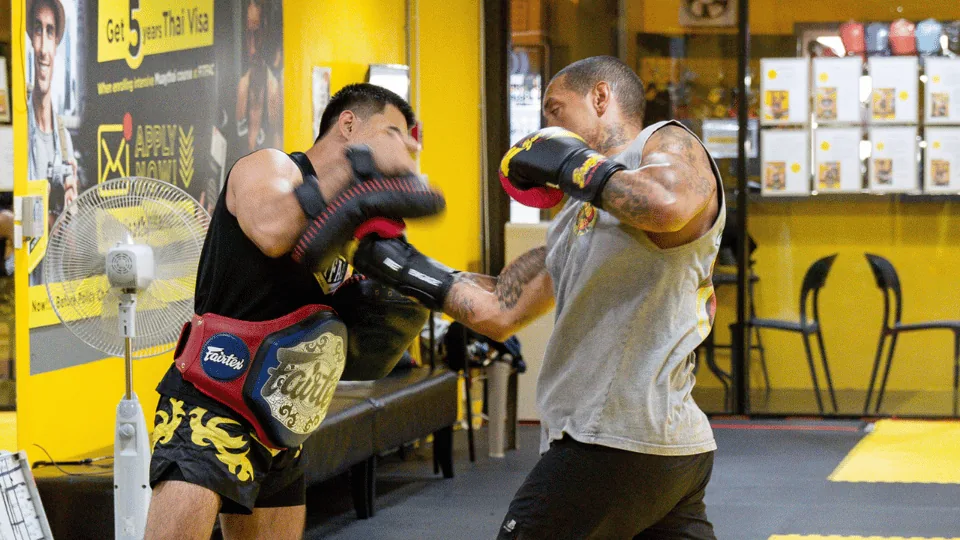 Train 1-on-1
Bangkok: Learn 1-1 Muay Thai + Free Muaythai Shorts & Pickup
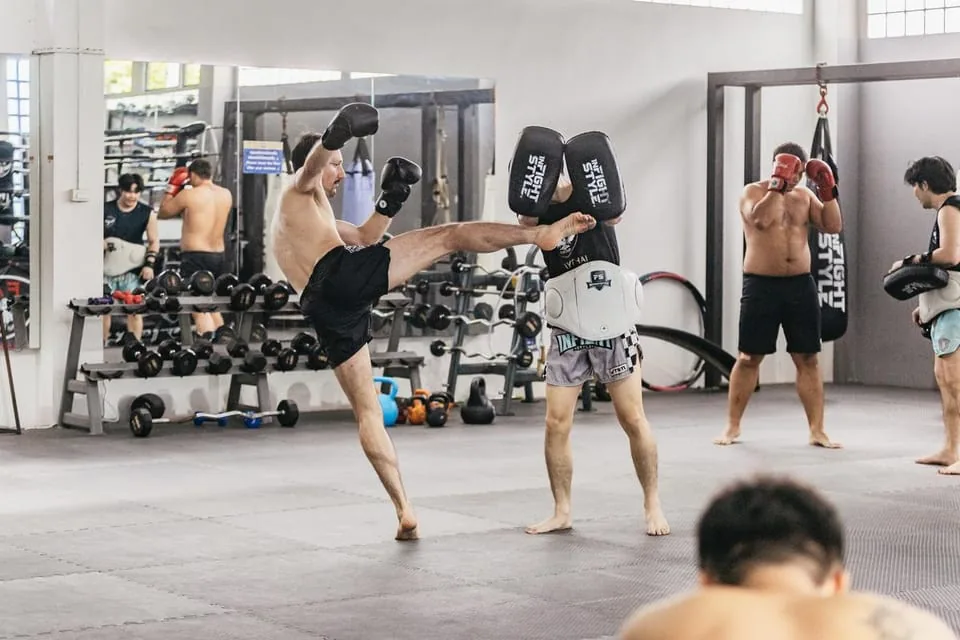 Beginner class
Bangkok: Muay Thai Boxing Introduction Class for Beginners
What visitors say about Muay Thai in Bangkok
Real reviews from people who booked these tickets and classes.
Best night ever. We took our two teenage kids and it was better than a night out. Ruth was right.
Box-office check-in was easy. Club seats fantastic. The stadium volume was really loud — wish I had earplugs.
The QR check-in was smooth, got a wristband, loved the history segment they did. Worth the upgrade.
Well worth paying a bit extra for ringside. You see the whole fight up close.
10 out of 10 class. Hands wrapped by an instructor on arrival. Everyone got a round in.
Explosive and extremely technical, great communication. Highly recommend.
Ratings and reviews are the operators’ live GetYourGuide figures. Read our full tour reviews ›
Quick answers before you book
A few things worth knowing so you spend your night enjoying the fights, not the logistics.
Which stadium is better?
Rajadamnern is older, nightly, central & slick. Lumpinee is the army-run legend, Saturdays only, farther out. First-timers pick Rajadamnern.
How much do tickets really cost?
Gate prices run ฿1,000–2,500; online is $30 with no queue. The GYG ticket skips the window line.
What if I’m 40 or 50?
Do I need to be fit?
No prerequisite. You work at your own pace; an honest hour burns 1,000+ calories depending on effort.
What should I bring to the stadium?
Is there free Muay Thai in Bangkok?
Channel 7 Stadium Sundays around 13:45, standing room, packed with gamblers. Raw but free.
Which zone should I pick?
Can I train while visiting?
The $21 group class is the best-value souvenir in Bangkok. A private 1-on-1 is $54.
Can’t make these dates?
Browse more available Muay Thai fights, tickets & training in Bangkok and find one that fits your schedule — all with instant confirmation and free cancellation.
Muay Thai in Bangkok, explained
Muay Thai is Thailand’s national sport — the art of eight limbs, fought in stadiums since 1945. Bangkok is where it lives: Rajadamnern, the world’s oldest purpose-built Muay Thai arena, opens its doors every night with a card of 7–9 bouts. Tourists routinely overpay at the gate (฿1,000–2,500) when a ticket booked online costs $30. If a fight fires you up, you can train the next morning for $21. Here’s how to navigate it without the traps.
The real stadiums: Rajadamnern vs Lumpinee vs free
Rajadamnern Stadium opened in 1945 on Ratchadamnoen Nok Avenue in the old town, about 10 minutes by taxi from Khao San Road. It fights every night of the week. Doors open around 18:00; the show runs 19:00–22:00 with 7–9 bouts. The venue has a light show, an English MC, and a segment explaining the sport’s history. This is the tourist-friendly version, but it’s also the real deal.
Lumpinee Stadium is the other legend, run by the Royal Thai Army. It moved in 2014 from Rama IV to Ram Intra Road, allowing 40–60 minutes by taxi from downtown. Lumpinee runs Saturday sessions only; the main event is Friday, so Saturdays are quieter. If you want authenticity over convenience, Lumpinee is the choice. If you want the full night on your first visit, Rajadamnern wins.
Free Muay Thai happens at Channel 7 Stadium near BTS Mo Chit on Sunday afternoons starting around 13:45. It’s standing room only, packed with gamblers, and offers zero explanation of what you’re watching. It’s the raw version — authentic but not tourist-friendly.
What happens before the fight: the ritual you don’t interrupt
Before every bout, the fighters walk to the ring wearing a mongkhon headband and pra jiad armbands. They perform the wai kru ram muay — a slow, hypnotic dance honouring their teachers and trainers. It’s the best part of the night. Don’t talk through it. The live piphat band (Java oboe, drums, cymbals) plays throughout each fight and speeds up as the action does. In the upper tiers, you’ll see furious hand-signal betting — flicked fingers are live odds. Watch it, don’t join.
Thailand plays the national anthem at 8:00 and 18:00 daily. If you’re at the stadium or anywhere public, stop and stand until it finishes. The royal anthem is also played before events; stand for that too. Dress code is none beyond common sense — shorts and a t-shirt are fine. The stadium is warm inside, but ringside is air-conditioned at Rajadamnern’s lower zones. The stadium bans outside food and drink, glass, and flash photography (normal photos are fine).
Ticket zones: which one should you pick
Rajadamnern has six zones, from Section 11 (Third Class, cheapest, top tier with the gamblers) up to the VIP Lounge. The middle options are Club Class (Sections 8–9) and Singha Ringside (Sections 3–7). President Box (Sections 1–2) and VIP are for special nights. For your first visit, Club Class or Ringside is the call — you see the ring clearly and the air-conditioning is a mercy. You can’t swap zones once you’re in, and you don’t get to choose a specific seat within your zone; you get a wristband and a section. The whole system is simple: show your QR code at the box office, get a wristband, find your section.
Lumpinee offers Club Class chairs (17:30–20:30), Ringside (10:00–12:00 and 18:00–20:00), and Grandstand 2nd class. Go straight to the stadium and show your voucher at the kiosk; green-shirt staff will point you to your seat. Transfers and food are not included.
Beginner training: what you need to know before the first class
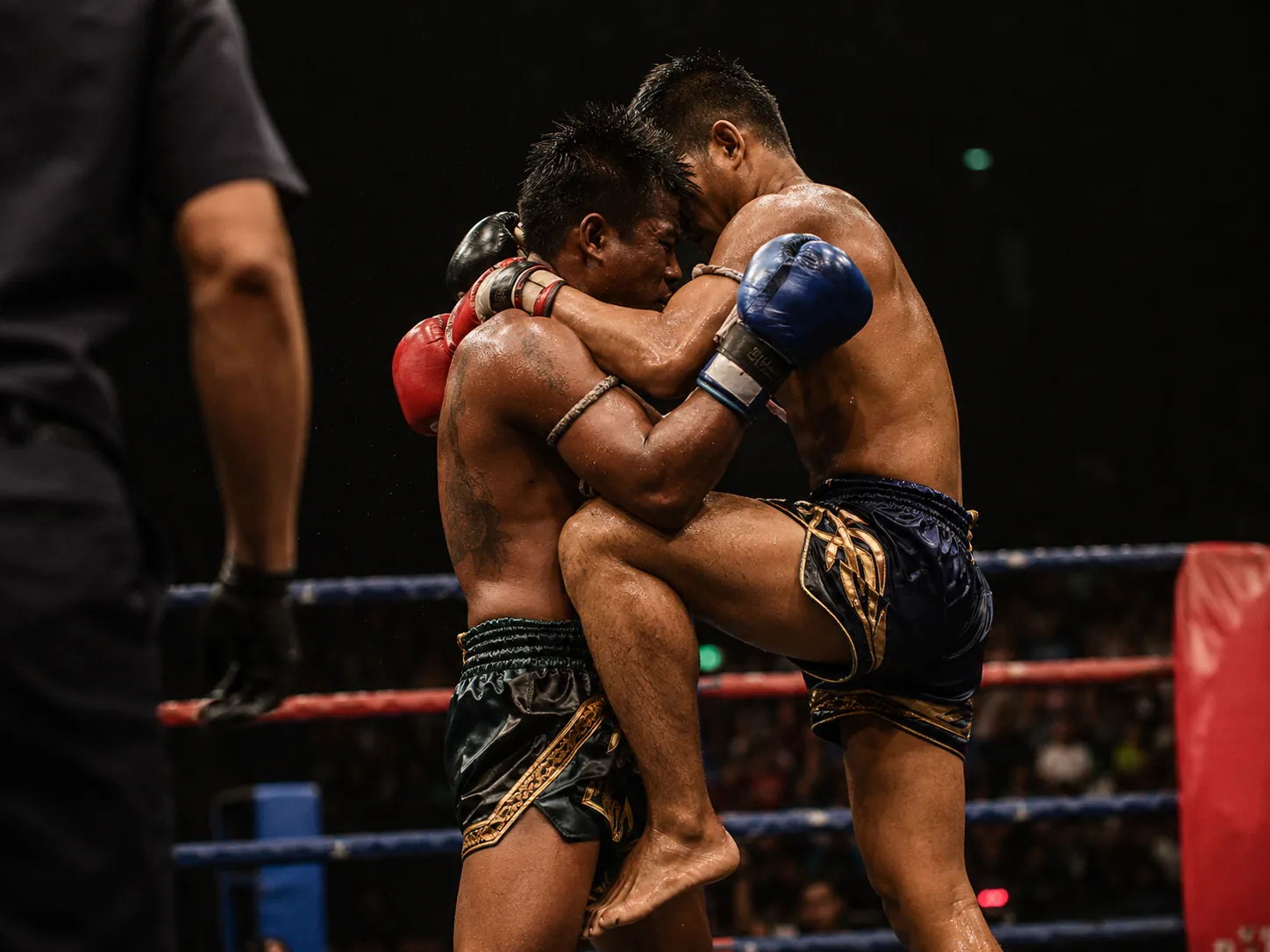
Muay Thai is the art of eight limbs: fists, elbows, knees and shins. There is no upper age limit for recreational training. Thai professionals debut as children (often 8–10) and retire in their late 20s; that timeline applies to Thai pros, not to you. Bangkok beginner classes regularly hold travellers in their 40s, 50s and beyond. No fitness prerequisite — you work at your own pace, though an honest hour is intense and often cited at 1,000+ calories depending on effort.
The $21 beginner group class runs 1 hour with certified instructors, hand wraps, gloves, shower and changing room included. You train barefoot. Bring sportswear and a towel; everything else is provided. Private 1-on-1 training is $54 and includes free Muay Thai shorts to keep. Walk-in tourist classes in Bangkok run about ฿300–600; committed people at Thai camps pay roughly ฿7,000–12,000 per month for training only.
Two sessions a week is plenty to build basics and fitness. Even three days in Bangkok is enough to learn stance, jab and teep (push kick). Eat a light meal (rice or noodles, fruit) 2–3 hours before class; only water in the last hour.
The bottom line: when to fight, when to train
For most visitors, the real fight night wins. Book Rajadamnern any night of the week; November–February is the pleasant season, but the stadium is indoors year-round. Arrive by 18:30, show your QR at the box office, grab a drink, find your section, and watch the fighters. By 22:00 you’re out the door with the whole arc of the night — ritual, action, crowd, the works.
If the fights light something up in you — and they often do — book a beginner class the next morning. The $21 group session is the best-value souvenir in Bangkok. You’ll learn the basics from a Thai instructor who speaks English, train alongside other travellers, and walk away understanding why the sport has been here for eighty years.
Frequently asked questions
What is Muay Thai?
Muay Thai is the “art of eight limbs” — fists, elbows, knees & shins. It differs from boxing (two weapons) and MMA (adds takedowns). Before each fight, fighters perform the wai kru ram muay, honouring their teachers.
How much do Muay Thai tickets cost in Bangkok?
Gate prices at the stadiums run roughly ฿1,000 for upper tiers to ฿2,000–2,500 for ringside. The GYG ticket is $30 online with QR check-in & no queue.
Which stadium should I pick?
Rajadamnern fights every night, is central & has slick production; Lumpinee runs Saturdays, is farther out (40–60 min) & quieter. First-timers choose Rajadamnern.
Am I too old to train Muay Thai?
Do I need to be fit to take a class?
What should I wear to the stadium?
When is the best time to see a fight?
What’s included in a training class?
Still have questions? Email us [email protected]